
End-to-End (E2E) Testing: A Practical Approach
Introduction
In modern software development, ensuring an application functions flawlessly is critical. While unit and integration testing verify that individual components and subsystems work correctly, End-to-End (E2E) testing validates the entire system from the user's perspective. Ultimately, E2E testing ensures that all integrated parts seamlessly work together to deliver a reliable user experience. For projects with similar risks, choosing a system testing service provider helps teams apply this validation consistently before release.
End-to-End testing is really useful because it shows us what real users do. It checks that business processes work correctly. It helps us find problems that we might not see when testing each part separately. As a trusted software testing company, we have seen how comprehensive E2E testing helps businesses identify critical issues before they impact users. In this blog, we will share a way to do End-to-End Testing that is based on the real experience of testing software.
What is End-to-End Testing?
End-to-End testing helps to see if a software program works properly from the beginning to the end. It checks that every part of the program works with each other.
The main goal of End-to-End Testing is to test the software in the way that an End User would use it. This means using the software as an End User would to see if it works as it should. For example, in an online booking system, an E2E test may cover:
- User Registration
- Login
- Search for Available Classes
- Book a Trial Class
- Receive Confirmation Email
- Verify Booking in Admin Portal
If any step fails, the entire user experience is affected.
Why End-to-End Testing Matters
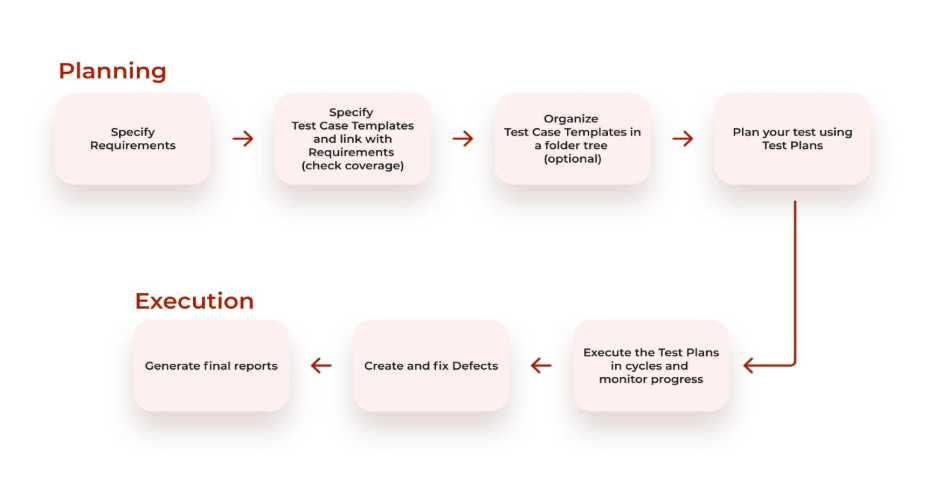
Individual modules might work perfectly on their own, but fail when integrated. Software Testing Services for End-to-End (E2E) Testing bridge this gap. Key benefits include:
- Validates complete business workflows
- Ensures data consistency across systems
- Detects integration issues early
- Improves user experience
- Reduces production defects
- Builds confidence before release

A Real-World Example: Trial Class Booking System
Recently, we worked on testing a Trial Class Booking feature for a studio management platform. The application included:
- Family Portal
- Admin Portal
- Class Scheduling Module
- Capacity Management
- Holiday Management
- Email Notifications
Testing individual modules was not enough. We needed to validate the complete user journey.
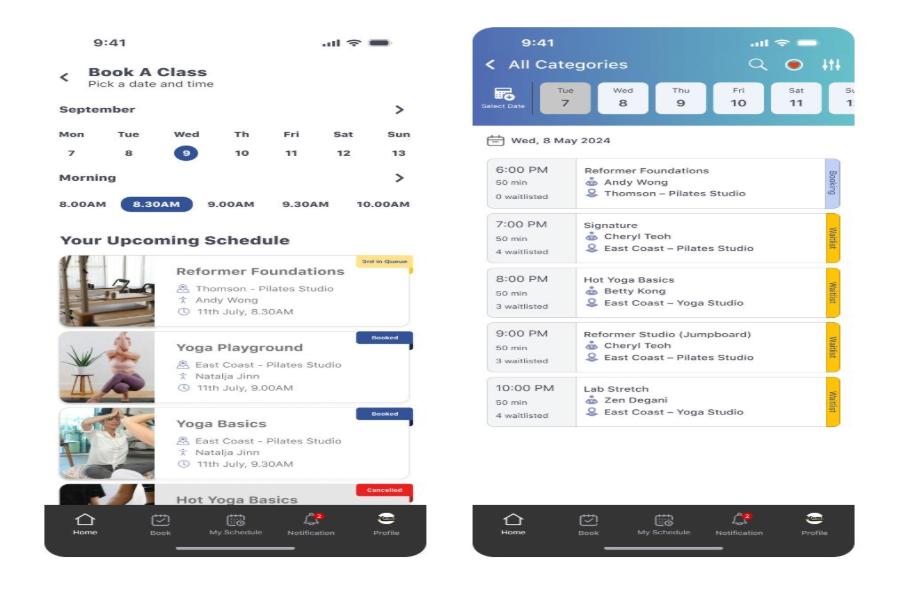
Scenario 1: Successful Trial Class Booking
Test Flow
- Parent logs into Family Portal.
- Selects a student.
- Chooses an available trial class.
- System validates capacity.
- Booking is created.
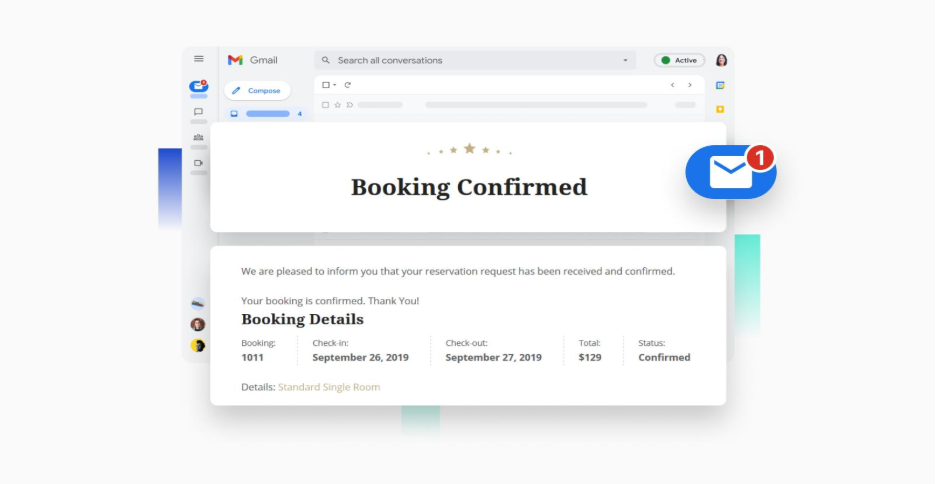
- A confirmation email is sent.
- Booking appears in the Admin Portal.
Expected Result
The booking needs to be finished. It should show up in both portals. We should also get a confirmation message when this is done.
Scenario 2: Trial Booking on a Holiday
Test Flow
- Parent attempts to book a trial class.
- Selected date falls on a holiday.
- System validates holiday configuration.
Expected Result
The booking should be blocked and an appropriate message displayed.
Scenario 3: Cancelled Class Validation
Test Flow
- User selects a class date.
- The class has been cancelled by the studio.
Expected Result
The system should prevent booking and notify the user that the class is unavailable.
Scenario 4: One Free Trial Per Student
Test Flow
- The student already has a completed trial booking.
- Parent attempts another trial booking.
Expected Result
The system should restrict additional free trial bookings according to business rules.
Challenges Faced During E2E Testing
1. Complex Business Rules
Business requirements often include multiple conditions such as:
- Capacity restrictions
- Trial booking limits
- Holiday restrictions
- User role permissions
Testing every combination requires careful planning.
2. Test Data Management
Reliable test data is critical. Common challenges include:
- Expired bookings
- Missing schedules
- Incorrect student records
- Shared test environments
Maintaining clean and reusable test data significantly improves testing efficiency.
3. Cross-System Dependencies
Many workflows involve multiple systems:
- Application Database
- CRM
- Email Service
- Payment Gateway
- Third-Party APIs
A failure in any integration can break the complete workflow.
Best Practices for Effective End-to-End Testing
Understand the Business Process
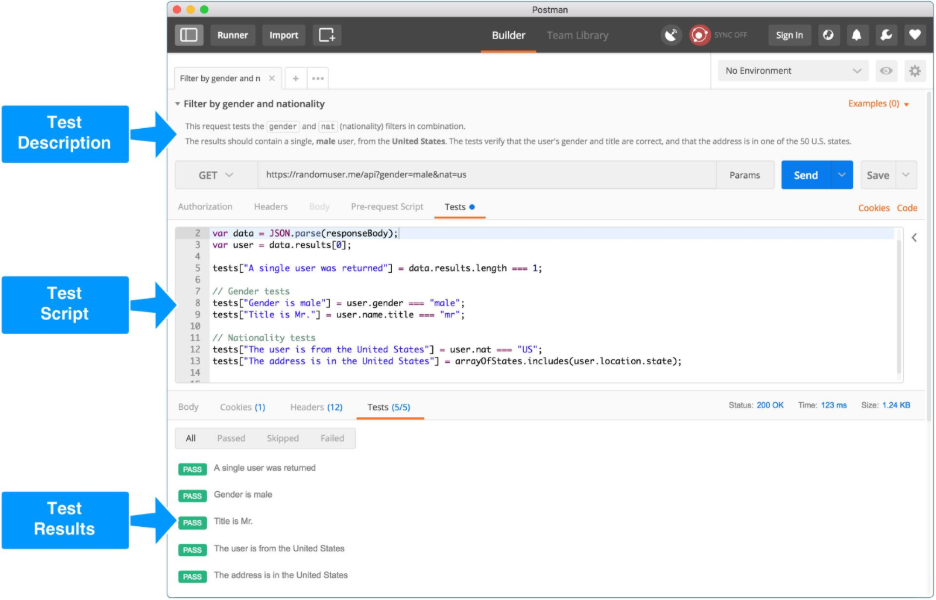
Before writing test cases, understand how users interact with the application. Focus on:
- User goals
- Business rules
- System dependencies
Prioritize Critical User Journeys
Not every workflow requires extensive E2E coverage. Start with:
- Registration
- Login
- Booking processes
- Payments
- Notifications
- Reporting
Validate Both Positive and Negative Scenarios
Many production defects originate from negative scenarios. Examples:
- Invalid inputs
- Capacity exceeded
- Cancelled schedules
- Network failures
- Duplicate bookings
Verify Data Across Systems
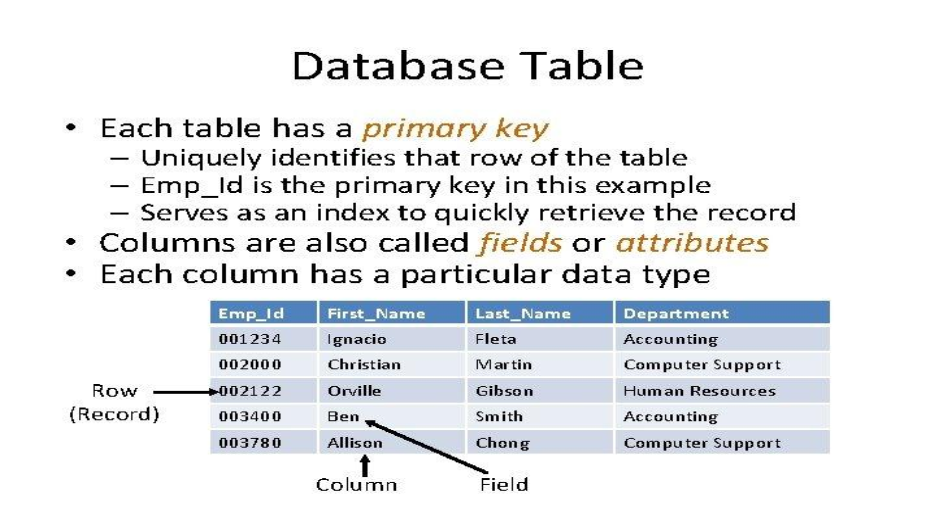
Don't stop at UI validation. Verify:
- Database updates
- Email triggers
- CRM records
- Audit logs
Maintain Reusable Test Cases
Create test cases that're well organised and can be used again and again for different releases. This helps reduce the maintenance effort. It makes the process of catching regressions during future releases a lot easier.
Common Mistakes to Avoid
- ❌ Testing only happy paths
- ❌ Ignoring integrations
- ❌ Using unstable test data
- ❌ Skipping notification validation
- ❌ Not verifying backend updates
- ❌ Executing E2E tests too late in the release cycle
The Conclusion
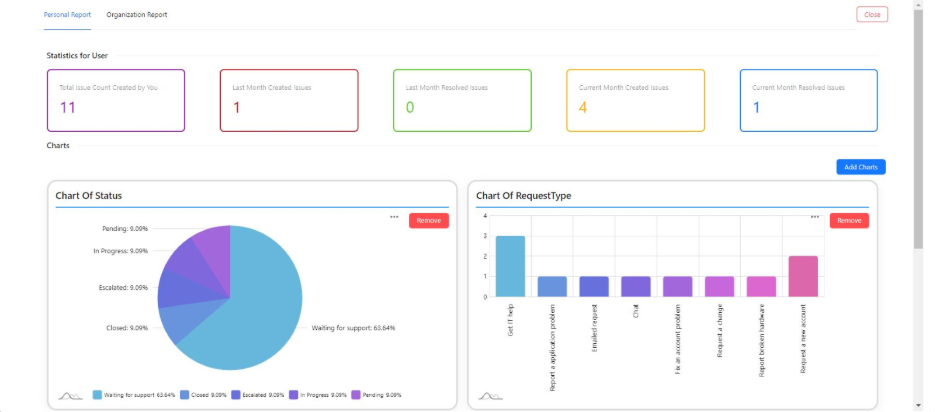
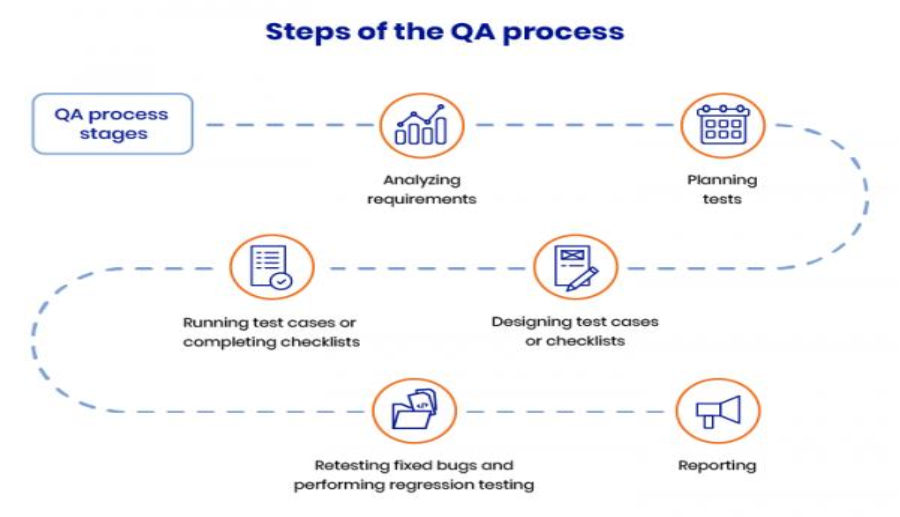
End-to-End testing is not just clicking through screens. It is about making sure that the whole business process works and that real people can do what they need to do without any problems.
A good End-to-End testing plan helps people find problems when different parts of the system do not work together. Reducing mistakes that happen when things are live and making sure that users have a good experience.
As testers, our job is not just to find bugs. We need to ensure that the entire system works as intended. Every time you test something, don't focus on a single screen in isolation. Instead, think about the complete journey a user takes through the application. That's where End-to-End (E2E) Testing becomes incredibly valuable. It helps verify that all components work together seamlessly to deliver the expected user experience.